Understanding the psychological traps of gambling behavior
The Allure of Gambling
Gambling is often seen as a thrilling escape, offering the chance to win big and experience excitement. The allure lies not only in the potential monetary rewards but also in the psychological rush that comes with it. For many, the anticipation of a win can lead to a dopamine release, reinforcing the desire to gamble. This makes it easy for newcomers to become captivated by the experience, often underestimating the risks involved, which frequently accompanies a visit to login casino Midarion.
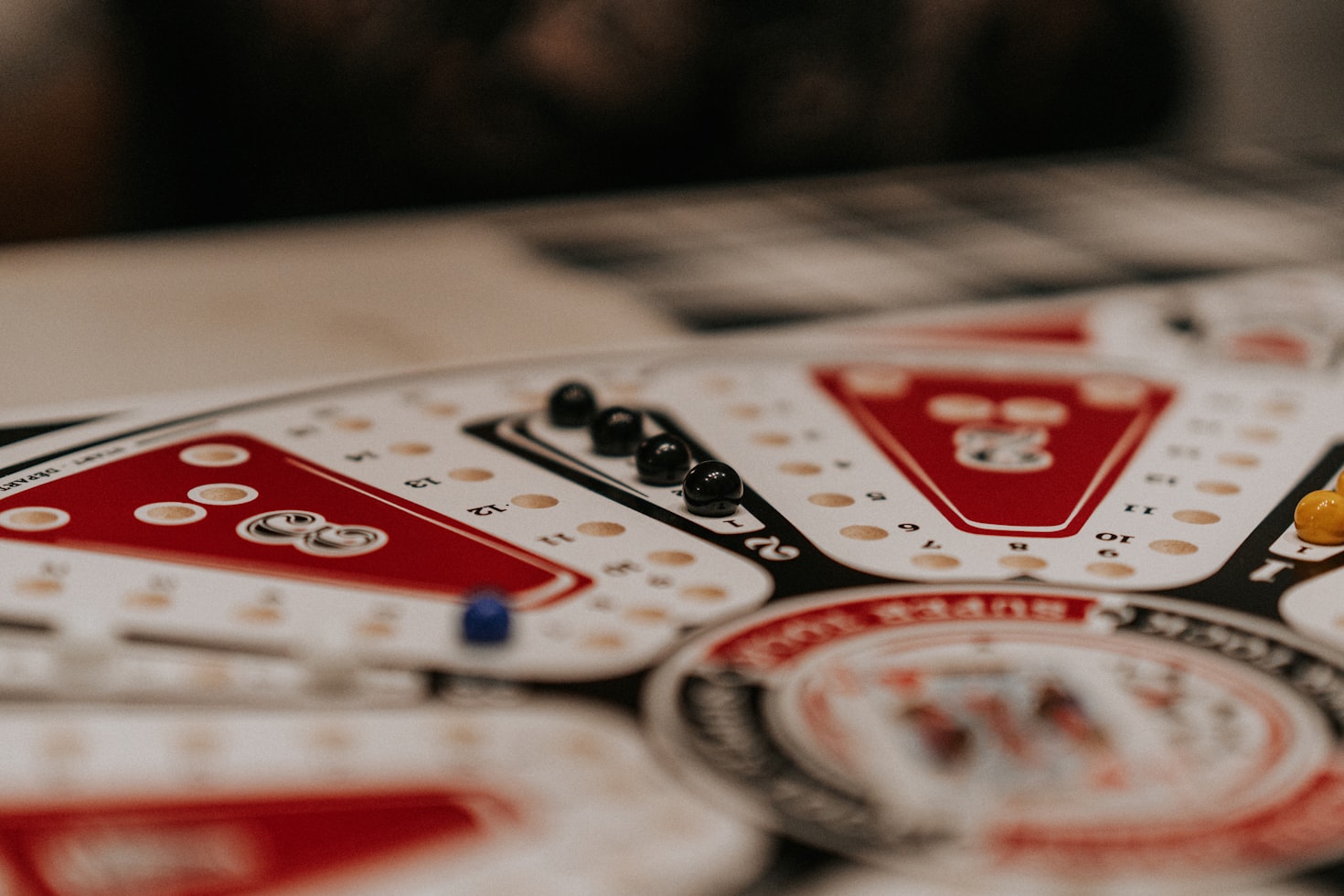
The excitement surrounding gambling can create a false sense of confidence. Many beginners believe they have a natural ability to win, influenced by stories of quick fortunes. This psychological trap can lead to poor decision-making, where players overlook the odds and engage in gambling behavior that is ultimately detrimental to their financial well-being.
Cognitive biases significantly influence gambling behavior. One common bias is the “gambler’s fallacy,” where individuals believe that past outcomes will affect future ones. For instance, a player may think that after a series of losses, a win is due, encouraging them to continue playing even when the odds are against them. This mindset can lead to chasing losses, resulting in greater financial losses over time.
Another cognitive bias is the “illusion of control,” where gamblers mistakenly believe they can influence the outcome of a game. This often occurs in games of chance, such as slots or roulette, where luck is the primary factor. This belief can lead to increased betting and a compulsion to play longer, often to the detriment of the player’s financial situation.
Emotions play a significant role in gambling behavior, affecting decision-making processes. When players experience negative emotions, such as stress or anxiety, they may turn to gambling as a coping mechanism. This can create a cycle where individuals gamble to escape their problems, only to face more significant issues as a result of their gambling losses.
Conversely, positive emotions can also fuel gambling behavior. The thrill of winning can lead to overconfidence, causing players to engage in riskier bets. Understanding how emotions influence gambling can help individuals recognize their triggers and develop healthier coping strategies, reducing the likelihood of falling into harmful gambling habits.
Social influence can significantly impact gambling behavior, particularly among beginners. The normalization of gambling in social settings, whether through friends or media portrayal, can create an environment where gambling is seen as an accepted activity. This can encourage individuals to participate without fully understanding the risks involved.
Peer pressure can also play a role, as individuals may feel compelled to gamble to fit in or impress others. This social aspect can lead to impulsive decisions, resulting in increased gambling activity that may not align with an individual’s personal values or financial situation.

Midarion offers a comprehensive online gaming experience tailored for UK players, focusing on both excitement and responsibility. With an extensive range of over 10,400 online slots and live casino games, it caters to various preferences while ensuring a safe gaming environment. The platform encourages responsible gaming practices, providing resources for players to understand the psychological aspects of gambling.
New users can benefit from attractive welcome bonuses and ongoing promotions, making it an appealing choice for beginners. By prioritizing safety and compliance with international regulations, Midarion aims to create a positive experience for all players while promoting awareness of the psychological traps that can accompany gambling behavior.